fiber-rich foods: Fiber’s one of those nutrients that everyone’s vaguely heard is “good for digestion” but almost nobody can explain beyond that. It doesn’t get the spotlight protein or carbs get, and yet a huge chunk of people are quietly falling short on it without realizing — mostly because it’s been stripped out of so much of what we eat by the time it reaches a plate.
Let’s actually go through it properly: what fiber does, the difference between the two main types, where to actually find it, how much you need, and — maybe most usefully — how to increase it without your stomach staging a protest.
Quick Overview: Where Fiber Actually Comes From
| Food | Approx. fiber | Type (mostly) |
|---|---|---|
| Lentils (1 cup, cooked) | ~15g | Mostly insoluble, some soluble |
| Chickpeas (1 cup, cooked) | ~12g | Mixed |
| Oats (1 cup, cooked) | ~4g | Mostly soluble |
| Apple (medium, with skin) | ~4g | Mixed |
| Broccoli (1 cup, cooked) | ~5g | Mostly insoluble |
| Chia seeds (2 tbsp) | ~10g | Mostly soluble |
| Whole wheat bread (2 slices) | ~4g | Mostly insoluble |
| Avocado (1 medium) | ~10g | Mixed |
| Raspberries (1 cup) | ~8g | Mixed |
| Almonds (28g, ~23 nuts) | ~3.5g | Mostly insoluble |
These are approximate and vary a bit depending on the exact variety and preparation, but they’re solid enough to plan around.
Soluble vs. Insoluble Fiber — What’s the Actual Difference?
This distinction gets mentioned constantly but rarely explained well, so here’s the plain version.
Soluble fiber dissolves in water and forms a gel-like substance as it moves through your digestive system. This type is particularly associated with helping slow digestion, which can contribute to steadier blood sugar levels after meals, and it’s also linked with helping lower LDL (“bad”) cholesterol over time. You’ll find it in oats, chia seeds, beans, apples, and citrus fruits.
Insoluble fiber doesn’t dissolve in water. Instead, it adds bulk to stool and helps move things through your digestive tract more efficiently, which is the type most associated with preventing constipation. Whole wheat products, nuts, and the skins of many fruits and vegetables, along with vegetables like broccoli and cauliflower, are good sources.
Most fiber-rich foods actually contain a mix of both types rather than being purely one or the other — an apple, for instance, has some of each. So rather than trying to carefully track which type you’re eating, the more practical goal is just eating a good variety of fiber sources overall, since that naturally covers both categories without much extra thought.
What Fiber Actually Does for Digestion
Fiber doesn’t get broken down and absorbed the way most other nutrients do — it passes through your digestive system largely intact, and that’s really the whole point of how it works.
It helps keep things moving through your gut at a healthy pace, which is the main reason it’s associated with more regular bowel movements and less constipation. Certain types of fiber — often referred to as prebiotic fiber — also serve as food for the beneficial bacteria living in your gut, which is an area of ongoing research but is generally considered a meaningful part of gut health.
Fiber is also associated with feeling fuller for longer after meals, partly because it adds bulk and slows digestion, which is one reason it often comes up in conversations about weight management — though it’s worth being clear this is one contributing factor among many, not a guaranteed weight-loss mechanism on its own.
Beyond digestion, fiber intake has also been associated with better long-term markers like healthier cholesterol levels and more stable blood sugar, though it’s one piece of a broader dietary pattern rather than something to rely on in isolation.
How Much Fiber Do You Actually Need?
Commonly cited general guidance suggests around 25 grams per day for women and about 38 grams per day for men, though this can vary somewhat by age and is generally provided as a broad reference point rather than an exact target everyone must hit precisely. Needs also tend to decrease slightly for older adults, largely due to typically lower overall calorie intake.
Most people, in practice, eat noticeably less than these reference amounts — often somewhere in the range of half the recommended intake — mainly because refined grains, packaged snacks, and heavily processed foods have had much of their natural fiber removed during production.
Rather than fixating on hitting an exact number daily, a more realistic approach for most people is simply building more whole, minimally processed foods into meals consistently, and letting the fiber count follow naturally from that habit.
Increasing Fiber Gradually (Please Don’t Skip This Part)
This is the section people most often ignore, and it’s usually the reason a fiber increase goes badly. Ramping up fiber intake too quickly is a common cause of bloating, gas, and general digestive discomfort — not because fiber is inherently harsh on your system, but because your gut needs some time to adjust to a bigger workload, including adjusting the balance of gut bacteria involved in processing it.
A gradual approach works much better in practice: add one extra fiber-rich food every few days rather than overhauling your entire diet overnight. Give your body roughly a week or two to adjust to each increase before adding more. And pay attention to how you’re feeling — some temporary adjustment is normal, but ongoing significant discomfort is a signal to slow down rather than push through.
Hydration Matters More Here Than People Expect
This point gets skipped constantly, and it genuinely shouldn’t be, because fiber and water work as a pair rather than independently.
Soluble fiber needs water to form that gel-like consistency mentioned earlier, and insoluble fiber needs adequate fluid to move through your system smoothly. Increasing fiber intake without also increasing water intake is a common cause of constipation, bloating, and general discomfort — which is a bit ironic, since fiber is usually associated with preventing those exact issues.
There’s no single universal number that fits everyone, since fluid needs vary by body size, activity level, and climate, but a reasonable general habit is drinking water consistently throughout the day, and being a bit more deliberate about it as you increase your fiber intake specifically.
Meal Examples That Build in Fiber Naturally
Breakfast — oats topped with berries and a spoonful of chia seeds, or whole-grain toast with avocado.
Lunch — a lentil or chickpea-based salad with plenty of vegetables, or a whole-grain wrap with vegetables and beans.
Snack — an apple with the skin on, a small handful of almonds, or raw vegetables with hummus.
Dinner — a stir-fry with broccoli and other vegetables over brown rice, or a bean-based chili with a side salad.
Throughout the day — swapping white rice and white bread for whole-grain versions, and keeping the skin on fruits and vegetables where reasonable, both add up meaningfully without requiring separate “fiber meals.”
Common Mistakes People Make With Fiber
Increasing fiber intake all at once, rather than gradually — this is probably the single most common misstep, and it’s usually what causes people to associate fiber with discomfort and quietly give up on eating more of it.
Not drinking enough water alongside higher fiber intake, which tends to produce the opposite of the intended effect.
Relying heavily on fiber supplements instead of whole foods. Supplements can have a place, particularly for people with specific medical guidance to use them, but whole foods generally bring along other beneficial nutrients — vitamins, minerals, antioxidants — that an isolated fiber supplement doesn’t replicate.
Peeling every single fruit and vegetable out of habit, which often removes a meaningful portion of the fiber content along with the skin, in cases where the skin is perfectly fine to eat.
Assuming all fiber is the same. As covered above, soluble and insoluble fiber serve somewhat different roles, so leaning entirely on just one type (a lot of insoluble fiber from wheat bran, say, with very little soluble fiber) may not give you the full range of benefits that a mixed intake offers.
Treating fiber as a quick fix for an isolated digestive issue, rather than part of a broader consistent pattern. Fiber tends to help most as an ongoing habit rather than a one-off remedy.
A Few Practical Tips
Add one fiber-rich food to a meal you already eat regularly, rather than trying to redesign your whole diet — a handful of chia seeds in yogurt, beans added to a soup you already make.
Choose whole fruit over fruit juice where you can. Juicing typically removes much of the fiber that whole fruit naturally contains.
Check labels on packaged bread, cereal, and pasta — “whole grain” or “whole wheat” as the first ingredient generally indicates meaningfully more fiber than something labeled simply “wheat” or “multigrain,” which can be misleading.
Increase water intake alongside fiber intake, not after noticing a problem — treating them as a pair from the start avoids most of the discomfort people associate with eating more fiber.
Give your gut time to adjust with any increase, and don’t interpret a bit of initial bloating as a sign that fiber “doesn’t agree with you” — for most people, it’s a temporary adjustment period rather than a lasting issue.
Final Thoughts
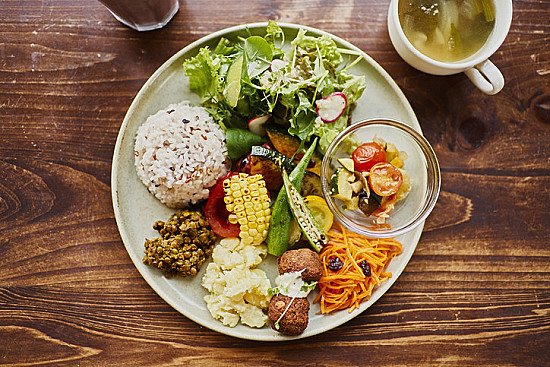
Fiber doesn’t need to be complicated, even though it rarely gets explained clearly. It’s really just about eating more whole, minimally processed foods — fruits, vegetables, legumes, whole grains — consistently, while keeping water intake in step with it, and giving your system a reasonable amount of time to adjust rather than flooding it all at once. Most people aren’t far off from a solid fiber intake; they’re usually just one or two small, consistent swaps away from it.
This article is for general informational purposes and isn’t a substitute for personalized advice from a doctor or registered dietitian, particularly for anyone with existing digestive conditions or specific medical concerns.
FAQs for Fiber-Rich Foods
Q: Can eating too much fiber too quickly cause problems?
Yes, this is actually one of the more common issues people run into. Ramping up fiber intake suddenly can cause bloating, gas, and general digestive discomfort while your gut adjusts. Increasing intake gradually over a week or two, alongside adequate water, generally avoids most of this discomfort.
Q: Are fiber supplements just as good as getting fiber from food?
Not quite, in most cases. Supplements can be useful in specific situations, particularly with medical guidance, but whole foods generally bring along other nutrients — vitamins, minerals, antioxidants — that an isolated supplement doesn’t provide. Whole foods are generally considered the better primary source, with supplements as more of a supporting option rather than a full replacement.
Q: Do I need to track soluble versus insoluble fiber separately to get the benefits?
Not really. Most fiber-rich foods contain a mix of both types, so eating a good variety of fruits, vegetables, legumes, and whole grains naturally covers both categories without needing to track them separately. Focusing on overall variety is generally more practical than trying to calculate the exact type breakdown of your intake.
- Fiber-Rich Foods: Benefits, Best Sources, and How Much Fiber You Need
- Protein-Rich Foods: 5 Best Sources, Daily Needs, and How to Add More Protein to Your Diet
- What Is a Balanced Diet? A Complete 7 Guide to Essential Nutrients and Healthy Eating