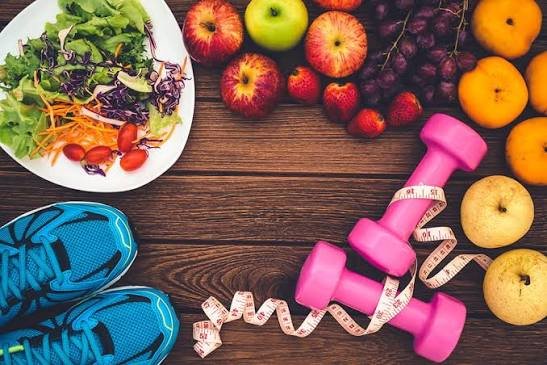
Healthy Weight Loss: Weight loss might be the most talked-about health topic out there, and also one of the most confusing, mostly because it’s surrounded by extreme diets, quick-fix promises, and conflicting advice that changes every few months. Cut carbs. No, cut fat. Try intermittent fasting. Try this supplement. It’s exhausting, and it’s a big reason so many people lose weight, regain it, and cycle through the same frustration repeatedly.
Here’s the more grounded version of the story: sustainable weight loss isn’t about finding some secret trick. It comes down to a handful of well-established principles, applied consistently over time, without treating your body like a project to punish. This guide walks through what actually matters — the science behind it, realistic goal-setting, and the habits that tend to hold up long after the motivation of “starting a new diet” wears off.
The Basic Idea: Calorie Balance
At the core of weight loss is a simple concept: your body needs a certain amount of energy (calories) to maintain its current weight, and losing weight generally requires taking in somewhat less energy than you burn, consistently, over time. This is often called a calorie deficit.
That said, “simple” doesn’t mean “easy,” and it doesn’t mean every calorie or every diet approach affects your body identically. The type of food you eat affects how full you feel, how your blood sugar responds, how much muscle you retain, and how sustainable the whole thing feels — which is why two people eating the same total calories can have very different experiences and results.
It’s also worth saying clearly: aggressive, very large calorie deficits are rarely a good idea. They tend to be hard to sustain, can lead to muscle loss alongside fat loss, often trigger stronger hunger and cravings, and are strongly associated with regaining the weight afterward. A more moderate, gradual deficit is generally considered both safer and more sustainable, and getting a specific number tailored to your body, activity level, and health history is really a conversation for a doctor or registered dietitian rather than something to calculate from a generic online formula.
Setting Realistic Goals
One of the most common reasons weight loss attempts fall apart isn’t lack of willpower — it’s setting a goal that was unrealistic from the start, then feeling like a failure when the timeline doesn’t hold up.
Gradual, steady weight loss is generally considered more sustainable and easier on your body than rapid loss, and it’s more likely to actually stay off long-term. Quick, dramatic drops in weight are often driven largely by water loss rather than fat loss, which is part of why they don’t tend to last.
It also helps to separate the scale number from other markers of progress — energy levels, how your clothes fit, strength, sleep quality, mood. Weight can fluctuate day to day for reasons that have nothing to do with fat loss (hydration, hormonal cycles, sodium intake, even how much you’ve eaten recently), so focusing exclusively on a daily number tends to be discouraging and not especially informative.
Protein’s Role in Weight Loss
Protein tends to come up constantly in weight-loss conversations, and for good reason. It’s more filling than carbs or fat gram-for-gram, which can help manage hunger during a calorie deficit. It also plays a key role in preserving muscle mass while losing weight — which matters, because the goal of healthy weight loss is generally losing fat while retaining as much muscle as possible, not just seeing a lower number regardless of what’s actually being lost.
Good sources include lean meat, fish, eggs, dairy, legumes, and tofu. Rather than obsessing over a specific gram target, a practical habit is making sure protein shows up at each meal rather than being an afterthought.
Fiber’s Often-Overlooked Role
Fiber doesn’t get nearly as much attention as protein in weight-loss discussions, but it plays a meaningful supporting role. High-fiber foods tend to be more filling relative to their calorie content, which can help manage overall intake without a constant sense of restriction. Fiber also slows digestion somewhat, which can help smooth out blood sugar swings that sometimes contribute to cravings.
Vegetables, fruits, legumes, and whole grains are the main sources here, and building meals around these foods — rather than around highly processed, refined options — tends to naturally support a more sustainable calorie balance without requiring rigid tracking of every ingredient.
Physical Activity: More Than Just “Burning Calories”
Exercise is often framed purely as a calorie-burning tool, but that undersells what it actually contributes. Regular physical activity supports muscle retention during weight loss, which matters for both appearance and metabolic health. It’s also linked to improved mood, better sleep, and reduced stress — all of which indirectly support sustainable eating habits, since stress and poor sleep are commonly associated with harder-to-manage appetite and cravings.
A mix of activity types tends to work well: some form of resistance or strength training to help preserve muscle, and regular movement generally — walking, cycling, whatever you’ll actually keep doing — for overall activity level and cardiovascular health. The best type of exercise, in practice, is usually the one you’ll actually stick with consistently, rather than whatever looks most intense on paper.
Sleep: The Factor People Consistently Underestimate
This one surprises people, but sleep has a real, well-documented connection to weight management. Poor or insufficient sleep is associated with increased hunger hormones, reduced feelings of fullness, and a higher likelihood of reaching for higher-calorie, less nutritious food. It’s also linked to reduced motivation for physical activity and, in some research, to a harder time losing fat specifically (as opposed to muscle) even at the same calorie intake.
Prioritizing consistent, adequate sleep isn’t a minor add-on to a weight-loss plan — it’s a genuine part of one, and often one of the more overlooked pieces.
Portion Control Without Obsessive Tracking
Not everyone wants to weigh and log every single thing they eat, and that’s completely fine — it’s not a requirement for successful weight loss, just one tool among several.
Some simpler, less intensive approaches: using a smaller plate, which naturally tends to reduce portion sizes without much conscious effort. Filling a good portion of your plate with vegetables before adding other foods. Eating slowly and paying attention while eating, since it takes some time for fullness signals to register, and eating quickly often means you’ve eaten more than you needed before your body’s had the chance to signal “enough.” And being mindful of eating out of habit or boredom rather than genuine hunger, which is a common and very human source of extra intake that has little to do with actual nutritional need.
Structured tracking (apps, food diaries) works well for some people and feels tedious or even counterproductive for others — there’s no single right approach here, just whatever you can realistically keep up with.
Building Habits That Actually Last
The habits that hold up long-term tend to share a few things in common: they’re specific but flexible, they don’t require perfection, and they don’t hinge entirely on willpower or motivation, which naturally fluctuate.
A few examples of the kind of small, durable changes that tend to compound over time: cooking at home more often, which gives you more control over ingredients and portions than eating out regularly does. Keeping a rough, general structure to meals rather than restricting specific foods entirely — since total restriction tends to backfire and increase cravings for the restricted food. Planning ahead a little for busy days, so that “no time to cook” doesn’t automatically default to whatever’s fastest and least nutritious. And allowing for occasional flexibility — a treat, a meal out, a less-than-ideal day — without treating it as a failure that undoes everything, since that kind of all-or-nothing thinking is one of the more common reasons people abandon healthier habits altogether.
Common Mistakes in Weight Loss Attempts
Cutting calories too aggressively, too fast — this often backfires through intense hunger, fatigue, and a much higher likelihood of regaining weight once the restrictive phase ends.
Eliminating entire food groups without a specific medical reason to do so, which can make a diet harder to sustain and, depending on what’s cut, may create gaps in certain nutrients.
Relying heavily on the scale as the only measure of progress, which can be discouraging given how much day-to-day weight naturally fluctuates for reasons unrelated to fat loss.
Skipping meals to “save calories” for later, which often leads to overeating afterward and can leave you low on energy throughout the day.
Chasing extreme or trendy diets that promise fast results, many of which aren’t well supported by evidence and tend to be difficult to maintain for more than a few weeks.
Ignoring sleep and stress entirely while focusing only on food and exercise, despite both having a real, documented influence on weight and appetite regulation.
Comparing your progress to someone else’s. Weight loss rate and pattern vary significantly between individuals based on factors like starting point, genetics, and health history, so a pace that works for someone else isn’t a fair benchmark for your own.
When It’s Time to Get Professional Guidance
There are specific situations where working with a doctor, registered dietitian, or other qualified professional is genuinely the better path, rather than trying to figure everything out independently:
If you have an existing health condition — diabetes, thyroid issues, PCOS, heart disease, or others — that can affect how your body responds to diet and exercise changes, and where general advice may not apply cleanly to your situation.
If you’re taking medications that could interact with significant dietary changes, or that themselves affect weight.
If you’ve tried multiple approaches without success and suspect something else might be going on — some medical conditions and medications can make weight loss considerably harder regardless of effort.
If you notice signs of an unhealthy relationship with food or eating developing — a preoccupation with food that feels distressing, patterns of restriction followed by loss of control around eating, or significant anxiety around meals. This is worth raising with a doctor or a mental health professional rather than pushing through alone, since it’s a genuinely common and treatable issue, not a personal failing.
If you’re pregnant, breastfeeding, an older adult, or a teenager, since weight and nutrition needs in these situations are meaningfully different from general adult guidance and deserve individualized input.
Final Thoughts
Healthy, lasting weight loss doesn’t come from a specific diet plan or a strict set of rules — it comes from a reasonably consistent calorie balance, supported by enough protein and fiber, regular movement, decent sleep, and habits flexible enough to survive an imperfect day without falling apart entirely. It’s rarely fast, and it’s not meant to be — the slower, steadier version is generally the one that actually sticks.
If you’re starting out, you don’t need to overhaul everything simultaneously. Pick one or two areas from this guide that feel most manageable right now, and build from there. And if anything about your health history, medications, or relationship with food and eating feels like it needs more than general guidance, a doctor or dietitian is a much better resource than trial and error.
This article is for general informational purposes and isn’t a substitute for personalized medical or nutritional advice. If you’re considering a weight-loss plan, especially alongside an existing health condition, medication, or disordered eating history, please consult a doctor or registered dietitian.
FAQs For Healthy Weight Loss
Q: How fast should I expect to lose weight in a healthy way?
There’s no single number that applies to everyone, since it depends on your starting point, health history, and approach. Generally speaking, gradual, steady weight loss is considered more sustainable and easier on the body than rapid loss, and it’s more likely to actually stay off long-term. A doctor or dietitian can give you a more specific, individualized expectation based on your situation.
Q: Do I need to count calories to lose weight successfully?
Not necessarily. Calorie tracking works well for some people and feels tedious or unhelpful for others. Building meals around protein, fiber, and whole foods, along with portion awareness and mindful eating habits, can support a calorie deficit without formal tracking. The right approach is really whichever one you can realistically maintain over time.
Q: Is it normal for the scale to go up and down during weight loss?
Yes, this is completely normal. Body weight can fluctuate day to day due to hydration, sodium intake, hormonal changes, and even how recently you’ve eaten — none of which reflect actual fat gain or loss. Looking at trends over a few weeks, rather than a single day’s number, gives a much more accurate picture of progress.
- Healthy Weight Gain: 3 Ways How to Gain Weight Safely With Nutritious Foods
- Healthy Weight Loss: A Science-Based 5 Guide to Losing Weight Safely and Sustainably
- Fiber-Rich Foods: Benefits, Best Sources, and How Much Fiber You Need