Ask ten people what “eating healthy” means and you’ll get ten different answers, half of them contradicting each other. Cut carbs. No, eat more protein. Avoid fat entirely. Count every calorie. Honestly, it’s no surprise so many people just throw their hands up and stop trying.
Here’s what actually matters, though, once you strip away all the diet-culture noise: a balanced diet isn’t about banning entire food groups or following some rigid rulebook. It’s just giving your body a reasonable mix of what it needs, most of the time. That’s genuinely the whole idea.
This guide goes through what that actually looks like — the nutrients involved, roughly how much of each you need, what a real day of eating might look like, and where most people go wrong trying to “eat better.”
The Core Nutrient Groups, at a Glance
| Nutrient | What it does | Common sources |
|---|---|---|
| Carbohydrates | A primary energy source for the body and brain | Rice, bread, oats, fruit, potatoes |
| Protein | Builds and repairs muscle and cells | Meat, eggs, lentils, beans, dairy, fish |
| Fats | Hormones, energy storage, nutrient absorption | Nuts, olive oil, avocado, fatty fish |
| Vitamins | Immunity, vision, skin, and more | Fruits, vegetables, dairy, fortified foods |
| Minerals | Bones, muscles, fluid balance | Leafy greens, dairy, seeds, meat |
| Fiber | Digestion, gut health, more stable blood sugar | Whole grains, vegetables, legumes |
| Water | Involved in nearly everything your body does | Water, tea, water-rich foods |
Everything below is really just an expansion on these seven rows, so keep it in the back of your mind as you go.
Carbs Aren’t the Villain Everyone Made Them Out to Be
Carbs get blamed for a lot, but they’re actually one of your body’s primary energy sources, and under typical conditions, your brain relies heavily on glucose derived from carbs for fuel. The real issue was never carbs themselves. It’s the type most people default to without thinking about it.
There’s a genuine difference between refined carbs — white bread, sugary cereal, pastries — and complex carbs like oats, brown rice, whole grain bread, and vegetables. Refined carbs tend to break down quickly, which can cause a faster rise in blood sugar than complex carbs do, and for some people that’s followed by a dip that leaves them hungry again sooner. This varies from person to person, but it’s a big part of why complex carbs are generally recommended as the larger share of your carb intake. Complex carbs, by contrast, tend to break down more gradually, which usually means steadier energy over a longer stretch.
None of this means cutting carbs out. It just means leaning toward the complex ones most days, while still leaving room for regular bread or a dessert without treating it like a moral failure.
Protein Does More Repair Work Than People Realize
Protein is what your body uses to rebuild muscle, skin, hair — basically every cell you’ve got is made partly from it. It also keeps you fuller for longer than carbs or fat do, gram for gram, which is a big part of why a meal with real protein in it holds you over better than one without.
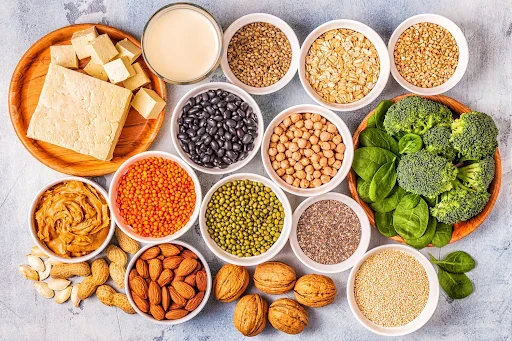
Eggs, chicken, fish, dairy — and if you’re eating plant-based, lentils, chickpeas, beans, tofu, quinoa — all cover this well. One mistake I see constantly is people cramming almost all their protein into dinner and barely touching it the rest of the day. Spreading it across meals tends to work better, both for staying full and for muscle maintenance.
You really don’t need to obsess over exact gram counts unless you’ve got a specific fitness or medical target. Just try to have some kind of protein at each meal and you’re probably covering more ground than you think.
Fats Got a Bad Reputation They Didn’t Deserve
For years, fat was treated like something to avoid altogether — remember the whole “fat-free” craze? That advice hasn’t aged well. Fat is essential. It’s involved in producing hormones, it helps your body absorb vitamins A, D, E, and K (which literally can’t be absorbed without some fat present), and it’s a dense source of energy your body genuinely needs.
What actually matters is the type. Unsaturated fats — olive oil, nuts, seeds, avocado, salmon and other fatty fish — are the ones worth building your diet around. Trans fats, mostly found in heavily processed and fried food, are the ones actually worth cutting back on. Saturated fat (butter, red meat) sits in the middle and is fine in reasonable amounts for most people, despite how it’s sometimes talked about.
Cooking with olive oil and eating fish twice a week is a completely different thing, nutritionally, from living off fried and packaged food. Same nutrient category on paper, very different outcome.
Vitamins and Minerals — Small Amounts, Big Consequences
You don’t need huge quantities of these, but going without them for long enough causes real, noticeable problems — low energy, a weaker immune system, poor bone health, depending on which ones you’re missing.
A handful worth actually knowing about:
Vitamin C, from citrus, peppers, and broccoli, supports immunity and skin. Vitamin D — from sunlight, fatty fish, and fortified milk — matters a lot for bones, and honestly a surprising number of people are low in it these days, mostly from spending too much time indoors. Iron, found in red meat, spinach, and lentils, carries oxygen through your blood, and deficiency here is genuinely common, especially in women. Calcium (dairy, leafy greens) keeps bones and muscles working properly. Potassium — bananas, potatoes, beans — helps regulate fluid balance.
The easiest way to cover most of this isn’t a supplement aisle, it’s just eating a decent variety of colorful fruit and veg regularly. Different colors tend to carry different nutrient profiles, so variety does a lot of the work for you without needing to track anything.
Fiber — The One Nutrient Almost Everyone Comes Up Short On
Fiber’s a bit unusual because it doesn’t really get digested the way other nutrients do — it moves through your system mostly intact. It helps keep digestion moving, and certain types of fiber — often called prebiotic fiber — serve as food for beneficial gut bacteria. Fiber is also associated with more stable blood sugar and healthier cholesterol levels, particularly soluble fiber specifically.
You’ll find it in whole grains, vegetables, fruit (skin on, where that’s practical), beans, and lentils. One easy shift that actually makes a dent: swap white rice and white bread for whole-grain versions, and don’t peel every fruit and vegetable out of habit.
Most people are short on fiber without even knowing it, mainly because processed and refined foods have had most of it stripped out along the way.
Water — The Nutrient Everyone Forgets Is a Nutrient
Water rarely comes up in these conversations, which is strange given how much it’s actually doing — digestion, temperature regulation, joint lubrication, moving nutrients around your body.
There’s no single magic number that applies to every person, since it depends on your size, activity level, climate, and general health. A reasonable habit, though, is drinking water steadily through the day instead of chugging a big bottle twice, and actually paying attention when you feel thirsty instead of ignoring it because you’re busy. Tea, milk, and water-heavy foods like cucumber or watermelon all count toward this too, not just plain water.
Worth knowing: thirst and hunger signals can sometimes feel similar, and it’s worth ruling out dehydration before reaching for a snack — though this shouldn’t be overstated as the explanation for most hunger, since genuine hunger is, of course, very real too.
Getting Portions Roughly Right
A balanced diet isn’t only about what’s on your plate — it’s also about how much of each thing relative to everything else. Dietitians commonly use a rough visual guide like this:
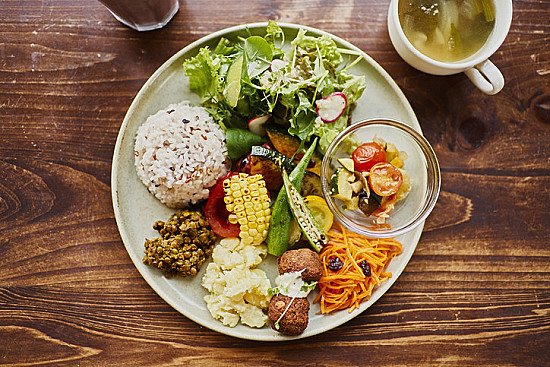
Half the plate — vegetables and fruit. A quarter — protein. Another quarter — complex carbs like whole grains or starchy vegetables. And a small amount of healthy fat worked in wherever it naturally fits — cooking oil, a few nuts, some dressing.
Don’t take this as something to measure with a ruler. It’s just a mental picture that nudges your portions in a sensible direction without any actual counting involved.
The Main Food Groups, Simply Put
Most balanced-diet frameworks around the world, whatever they’re called locally, group food into roughly the same buckets:
Grains and starches (rice, bread, pasta, oats, potatoes). Fruits and vegetables, as much variety as you can manage. Protein foods — meat, fish, eggs, legumes, dairy, nuts. Dairy or a dairy alternative. And fats and oils, used but not overused, leaning unsaturated.
The goal was never equal portions from every group at every meal. It’s just making sure all of them show up often enough across your week that nothing’s consistently missing.
What a Balanced Day Might Actually Look Like
This isn’t a script to follow exactly — everyone’s needs differ by age, activity, and health — but it’s a decent example of what “balanced” tends to look like in practice.
Breakfast: oats with fruit and a few nuts, or eggs with whole-grain toast and some vegetables on the side.
Lunch: a protein source — grilled chicken, lentils, fish — with a whole grain like brown rice, plus a generous amount of vegetables.
Snack: fruit, yogurt, or a small handful of nuts.
Dinner: roughly the same shape as lunch, maybe a bit lighter depending on how active your day was.
All day: water as the main drink, tea or anything else in moderation.
Notice there’s nothing extreme in there — no food banned outright. It’s just a fairly even spread of the nutrient groups above, distributed across the day instead of dumped into one big meal.
Where Most People Actually Go Wrong
Skipping meals to “save calories” — this backfires more often than not, since it usually leads to overeating later and leaves you running on empty energy-wise for hours.
Treating fat like something to eliminate entirely, when in reality some of it is just necessary — the goal is picking better sources, not cutting it out.
Leaning on packaged “diet” or “low-fat” food, which often just swaps the removed fat for extra sugar or sodium to keep the taste — sometimes making it less balanced than the regular version sitting right next to it.
Not getting enough protein or fiber, two nutrients closely tied to feeling satisfied after eating.
Drinking calories without really noticing — sugary coffee, juice, soda. These add up fast and don’t fill you up the way solid food does.
Going all-in on some extreme restriction, burning out, and giving up entirely. Rigid, all-or-nothing diets tend to collapse fast — a slightly imperfect but sustainable habit beats a perfect one you abandon after two weeks.
Some Practical Habits Worth Building
Fill half the plate with vegetables or fruit before adding anything else — it’s a small trick that naturally balances a meal without needing to think much.
Cook at home more when you reasonably can. You control what actually goes in, which restaurant and packaged food rarely lets you do.
Glance at ingredient lists, not just the calorie count on the front. Ingredient lists can offer useful context that a calorie count alone doesn’t — like whether a food is minimally processed or has added sugars and preservatives — so it’s worth checking both rather than relying on calories in isolation.
Stop sorting food into strict “good” and “bad” categories. Balance happens over days and weeks, not at every individual meal, so one imperfect meal changes nothing in the bigger picture.
Make small swaps instead of overhauling everything overnight — brown rice instead of white, water instead of soda, one extra vegetable-heavy meal a week. Small changes tend to stick around. Total overhauls rarely do.
Final Thoughts
A balanced diet really isn’t some complicated formula — it’s a decent mix of nutrient groups, in roughly sensible proportions, kept up consistently rather than perfectly. Carbs, protein, fat, vitamins, minerals, fiber, water — they all genuinely matter, and none of them deserves to be treated as the enemy on its own.
If you’re not sure where to even start, don’t try to fix everything at once. Pick one or two mistakes from the list above that sound a little too familiar, and work on just those first. Small, steady changes tend to outlast a total diet overhaul by a long shot.
This article is for general informational purposes and isn’t a substitute for personalized advice from a doctor or registered dietitian, especially if you have an existing health condition or specific nutritional needs.
FAQs
Q: Is it better to cut carbs completely for a healthier diet?
Not really, for most people. Carbohydrates are one of the body’s primary energy sources, and under typical conditions the brain relies heavily on glucose from carbs. Cutting them entirely usually just leaves people low on energy and struggling to stick with it long-term. A more workable approach is favoring complex carbs — whole grains, vegetables — over refined ones most of the time, rather than avoiding carbs altogether.
Q: How much protein do I actually need per day?
It depends on your weight, activity level, age, and goals, so there’s no single number that fits everyone. As a general, non-technical habit, having some protein at each main meal instead of loading it all into one tends to work well for most people. If you’ve got a specific fitness or medical goal, it’s worth getting an actual target from a doctor or dietitian rather than guessing.
Q: Do I need supplements to eat a balanced diet?
Usually not, if you’re regularly eating a decent variety of fruits, vegetables, protein, and whole grains — food alone covers most people’s needs. Supplements matter more for specific, diagnosed deficiencies, like low vitamin D or iron, and that’s really a conversation to have with a doctor rather than something to guess your way into.
- Fiber-Rich Foods: Benefits, Best Sources, and How Much Fiber You Need
- Protein-Rich Foods: 5 Best Sources, Daily Needs, and How to Add More Protein to Your Diet
- What Is a Balanced Diet? A Complete 7 Guide to Essential Nutrients and Healthy Eating