Healthy Eating Habits: Most people don’t need a complete diet overhaul to eat better — they need a handful of small, sustainable changes that actually stick around past the first two weeks. The problem with most “eat healthy” advice is that it either asks for too much all at once, or it’s so vague (“eat more vegetables!”) that it’s hard to know where to actually start.
So here’s a more practical version: 15 specific, manageable changes, explained in enough detail that you actually understand why they help, not just that they’re supposedly good for you. You don’t need to adopt all of them at once — picking two or three and building from there tends to work a lot better than trying to change everything on a Monday and burning out by Thursday.
1. Plan a Few Meals Ahead, Even Loosely
You don’t need a rigid weekly meal plan mapped out to the hour. Even just having a rough idea of two or three meals for the week — enough to shop for the right ingredients — tends to cut down significantly on last-minute takeout or whatever’s fastest, which is rarely the most nutritious option. A loose plan also reduces decision fatigue at the end of a long day, when “what should I eat” can feel like one decision too many.
2. Build Meals Around Vegetables and Fruit First
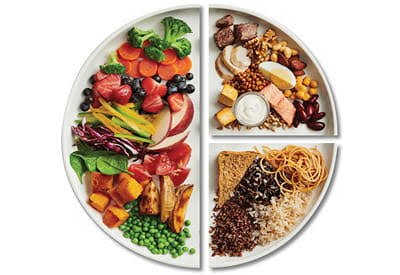
Rather than treating vegetables as a side thought, try planning the vegetable or fruit portion of a meal first, then building the rest around it. This tends to naturally push portions in a better direction — filling roughly half a plate with vegetables and fruit is a commonly referenced rough guide, and it happens somewhat automatically once produce isn’t an afterthought.
3. Swap Refined Grains for Whole Grains Where You Can
White rice to brown rice, white bread to whole grain, regular pasta to whole wheat. This is one of the easier swaps to make since it doesn’t really change what you’re eating, just the version of it — and whole grains generally bring more fiber and nutrients along with them compared to their refined counterparts.
4. Include a Protein Source at Every Meal
Protein tends to be more filling than carbs or fat gram-for-gram, which can help manage hunger between meals. Eggs, chicken, fish, dairy, legumes, tofu — whatever fits your preferences — having some kind of protein source at each meal, rather than concentrating it all into dinner, tends to support steadier energy and fullness across the day.
5. Get a Feel for Reasonable Portion Sizes
You don’t need to weigh every meal, but developing a general sense of proportion helps. Simple visual references — a palm-sized portion of protein, a cupped hand of carbs, a thumb’s worth of added fats — offer a rough guide without requiring a food scale for every meal.
6. Practice Eating Slowly and Paying Attention While You Eat
It takes some time for fullness signals to register after eating, so eating quickly often means finishing a meal before your body’s had a chance to register “that’s enough.” Slowing down a bit — putting utensils down between bites, minimizing distractions like scrolling on a phone during meals — can make it easier to notice genuine fullness rather than relying on an empty plate as the only signal to stop.
7. Cut Back on Sugary Drinks
Soda, sweetened coffee drinks, fruit juice, and energy drinks add up in calories quickly without providing much fullness in return, since liquid calories generally don’t trigger the same satiety response as solid food. Swapping some of these for water, unsweetened tea, or sparkling water is one of the more impactful single changes available, mainly because sugary drinks are such an easy source of extra calories to overlook.
8. Reduce Reliance on Heavily Processed Food
This doesn’t mean cutting out convenience food entirely — that’s not realistic for most people’s actual lives. It’s more about being aware of how much of your regular intake comes from heavily processed options (think: foods with long ingredient lists full of things you wouldn’t cook with yourself) versus whole or minimally processed food, and gradually shifting the balance where reasonable.
9. Read Ingredient Lists, Not Just Marketing on the Front of Packaging
Labels like “natural,” “light,” or “made with real fruit” don’t guarantee a food is genuinely nutritious — these terms aren’t tightly regulated and are often used more for marketing than accuracy. Glancing at the actual ingredient list gives a clearer picture of what you’re eating than the front-of-package claims do.
10. Keep Fruit and Vegetables Visible and Accessible
A surprisingly practical habit: keeping washed, cut produce visible in the fridge, or fruit out on the counter, tends to increase how often it actually gets eaten, simply because it’s the easiest thing to grab. Food that requires effort to prepare tends to get eaten less often, regardless of good intentions.
11. Drink Water Consistently Through the Day
Rather than waiting until you’re noticeably thirsty, sipping water steadily throughout the day tends to work better for staying adequately hydrated. Thirst and hunger signals can sometimes feel similar, so it’s worth keeping water intake in mind before assuming every craving is about food specifically.
12. Shop With a List, and Try Not to Shop While Hungry
This sounds minor, but it genuinely affects what ends up in your cart. Shopping without a plan, especially while hungry, tends to lead to more impulse purchases of convenient, less nutritious options. A basic list — even a loose one based on your rough meal plan — helps keep shopping trips more aligned with what you actually intended to eat that week.
13. Don’t Skip Meals to “Save” Calories
Skipping meals often backfires by leading to intense hunger later, which frequently results in eating more overall than if you’d eaten consistently throughout the day. It also tends to leave you running low on energy for whatever stretch you went without eating.
14. Allow Flexibility Instead of Rigid Restriction
Treating certain foods as completely off-limits tends to increase how much you think about and crave them, and it sets up an all-or-nothing dynamic where one “imperfect” choice can feel like a reason to abandon healthier habits altogether. A more sustainable approach generally involves building a solid base of nutrient-dense eating most of the time, with room for less structured food without treating it as a failure.
15. Build Routines Instead of Relying on Willpower Alone
Willpower fluctuates — it’s affected by stress, sleep, how busy your day was, all sorts of things that have nothing to do with actual commitment to eating well. Habits and routines (a go-to breakfast you don’t have to think about, keeping certain staples always stocked, a rough weekly shopping rhythm) tend to hold up better over time than relying on motivation alone to make the same good decision every single day.
Putting These Together, Practically
You genuinely don’t need to adopt all 15 of these at once — that’s a recipe for burning out within a couple of weeks, the same problem that derails most sudden diet overhauls. A more realistic approach: pick two or three that feel the most doable given your current routine, actually build them into a habit over several weeks, and then add another one or two once the first batch feels automatic rather than effortful.
Some of these will matter more to you personally than others, depending on where your current habits already stand. Someone who already cooks at home regularly might get more mileage out of focusing on sugary drinks and portion awareness, while someone who eats out frequently might see bigger changes from meal planning and grocery list habits. There’s no fixed order that works identically for everyone.
Final Thoughts
Healthier eating habits don’t require perfection or a complete lifestyle overhaul — they’re usually built from a series of small, manageable changes that gradually become automatic rather than effortful. The changes covered here are meant to be a menu to choose from, not a checklist you need to complete all at once. Pick what feels realistic for your actual life right now, give it a few weeks to settle in, and build from there.
This article is for general informational purposes and isn’t a substitute for personalized advice from a doctor or registered dietitian, particularly for anyone with a specific health condition or nutrition goal.
FAQs For Healthy Eating Habits
Q: Do I need to change all 15 habits at once to see results?
No, and trying to do so is actually more likely to backfire. Starting with two or three changes that feel realistic given your current routine, and building from there once they feel automatic, tends to be far more sustainable than a complete overhaul all at once, which is a common reason people abandon new habits within a few weeks.
Q: Is it okay to still eat processed or less nutritious food sometimes while trying to build healthier habits?
Yes. These changes are meant to shift the overall balance of your eating, not eliminate less structured food entirely. Treating certain foods as completely off-limits often increases cravings for them and can set up an all-or-nothing mindset that makes sustainable change harder, not easier.
Q: Which of these changes tends to make the biggest difference?
It varies by person, since it depends on which habits are already in place and which aren’t. That said, reducing sugary drinks and building meals around vegetables and protein are commonly cited as having a noticeably outsized impact relative to how simple they are to implement, which is part of why they’re often recommended as good starting points.
- Daily Calorie Needs: How Many Calories Do You Need a Day? A Practical Guide

- Healthy Weight Gain: 3 Ways How to Gain Weight Safely With Nutritious Foods
- Healthy Weight Loss: A Science-Based 5 Guide to Losing Weight Safely and Sustainably

1 thought on “Healthy Eating Habits: 15 Simple Changes That Can Improve Your Daily Diet”